
What if eating more plants showed up in the mirror? 🌱 Research gathered in a 2026 scientific review, published in Recent Progress in Nutrition and authored by David Goldman and Dr. Matthew Nagra, shows that a plant-rich diet affects signals people notice: skin color, sweat odor and how old the face looks. And several of these effects show up within a few weeks.
Many people change what they eat thinking about appearance and social life, not just about preventing disease years from now. That is the side where science has some interesting things to say.
The four highlights
What the research found most interesting:
- 🍃 Less meat, more pleasant sweat. In one experiment, the two-week meat-free phase made the sweat of 17 men more attractive, more pleasant and less intense in the eyes of 30 raters.
- 🥕 Carotenoids from fruits and vegetables, more color in the skin. Faces with carotenoid coloring were preferred over tanned faces in 75.9% of comparisons, and the effect on skin shows up within weeks.
- 🍞 Fewer refined carbs, less apparent age. In one experiment, a high-glycemic-index breakfast reduced attractiveness, and in women the effect went through apparent age.
- ⚖️ Body weight and attractiveness. Plant-based diets are associated with larger reductions in BMI and body fat, and less body fat is linked to higher perceived attractiveness, although that link to diet is still indirect, meaning no one has tested it directly.
Three paths, one colorful table
All of this happens through three paths: the facial path (the pigments in fruits and vegetables, the carotenoids, end up in the skin), the olfactory path (what you eat changes your sweat) and the body path (fiber and fullness play into energy balance). Each has its own pace, as the figure below shows.
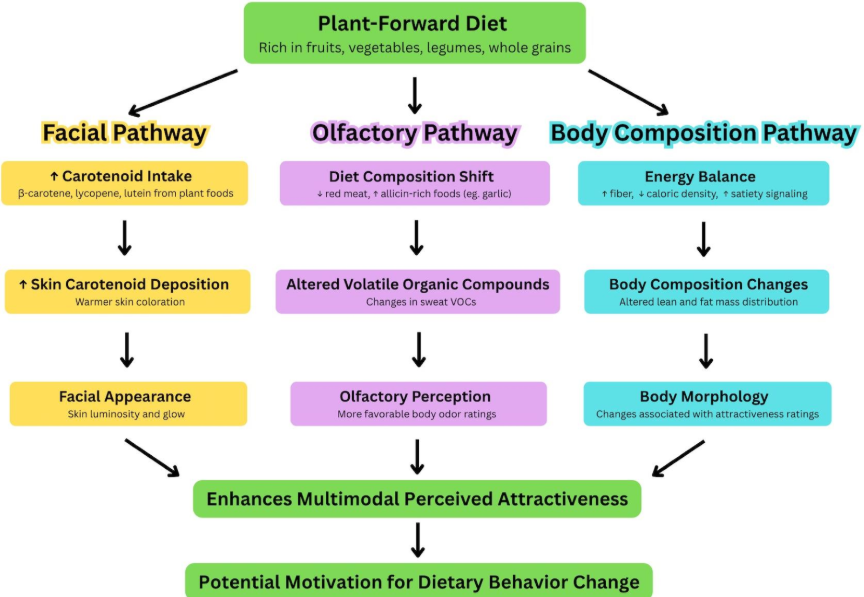
Figure 1 from Goldman & Nagra (2026), published under a CC BY license.
Face and scent respond within weeks, while the body takes longer commitment to the diet.
🥕 Golden skin beat the tan
Colorful fruits and vegetables bring carotenoids, pigments the body doesn’t make and that deposit in the skin, giving it a warmer, golden tone. In three studies using edited face images (60 people each), faces with carotenoid coloring were chosen in 75.9% of trials when compared with faces with a tan (melanin) coloring. That’s right: the glow of a carrot beat the beach.
In another experiment, volunteers adjusted the color of 30 faces to look as healthy as possible, and the tone they chose was equivalent to about 7.75 daily portions of fruits and vegetables. The preference for this tone showed up in Caucasian and Hong Kong Chinese groups, for faces and bodies alike. One caveat: in another study, Chinese observers preferred less yellow faces, while Caucasian observers in the UK preferred more. Taste is cultural, too.
⏱️ And the best part: you don’t have to wait years
Skin color reflects what you eat and changes fast. In the Adventist Health Study-2, vegans had 56% higher carotenoid levels in the blood than omnivores (and 91% higher beta-carotene), and vegetarians had about 15% higher in another study. 🌿
The numbers from the intervention studies are very concrete. In a six-week follow-up, about 2.9 portions a day of fruits and vegetables were enough to improve perceived health, and about 3.3 portions to improve perceived attractiveness. In a randomized trial with 81 students, a carotenoid-rich smoothie for six weeks increased skin yellowness and redness as early as week four, compared with the group that drank mineral water.
👃 Even scent joins the conversation
In one experiment, 17 men spent two weeks eating meat and two weeks without it. The sweat from the meat-free phase was rated by 30 women as more attractive, more pleasant and less intense. In another study, men with more golden skin (a sign of more fruits and vegetables) had sweat described as floral and fruity, while those who ate fewer fruits and vegetables had sweat described as animal-like, meaty and oily.
The studies don’t always agree: that second study also found that meat, eggs and tofu correlated with more pleasant sweat. The difference may come from the method (a questionnaire about the past year versus a two-week experiment).
And a curiosity to finish: in three experiments with garlic, a 12 g dose (raw or extract) made underarm odor better rated, contrary to what people usually assume. 🧄 But that comes from a single publication and hasn’t been replicated, so take it as a curiosity, not a recipe.
🍞 Refined carbs and apparent age
Here the picture is mixed, and it’s worth telling both sides. In an experiment with 104 adults, people who ate a high-glycemic-index breakfast were considered less attractive two hours later than those who ate a low-glycemic one, and, in women, the effect went through apparent age (faces looking older). A plausible explanation is glycation caused by chronic hyperglycemia. An observational study with 99 adults, however, found the opposite for habitual glycemic load between meals, and the divergence may come from differences in method and time scale. Overall, diets that limit refined carbohydrates at meals seem to line up better with a healthy appearance.
💪 And the body?
A meta-analysis found that plant-based diets are associated with larger reductions in BMI and body fat than omnivorous diets. But the link to attractiveness is indirect and inferential: no one has tested the two together. Skin color has the advantage of changing in the body you already have, with no weight loss required.
🤳 Seeing the result helps you keep the habit
Here’s the favorite finding for anyone who wants a boost: in a randomized trial, people who saw a personalized simulation of how their own skin would change with more fruits and vegetables increased their intake and kept the change for 10 weeks, while generic health information didn’t have the same effect. In a survey of 802 people, 57% felt motivated by a simple demonstration of the skin color change, across different socioeconomic and ethnic groups. In other words: seeing the benefits, not just hearing about them, may be the little push.
And since filling your plate with color has its arguments, why not share the table with someone who gets it? 🌱 Veggly is the dating app for vegans and vegetarians, built to help you meet people who share your lifestyle, from the first match to dinner for two. Download the app and find your VegMatch! 💚
In short
A plant-rich diet affects signals people notice, like skin color and scent, and some of them change within weeks. Seeing that difference may help you keep the habit, as long as we remember it’s perception and that short-term effects still need longer studies before they become health conclusions. In other words: filling your plate with color has its arguments. 🌈
Source: Goldman D, Nagra M. The Role of Plant-Forward Diets in Physical Attractiveness: Integrating Facial, Olfactory, and Morphological Signals for Health Behavior Change. Recent Progress in Nutrition, 2026; 6(2). doi:10.21926/rpn.2602010.
Don’t miss the Veggly Blog
As Veggly grows further, make sure you stay up to date and read messages from vegan and vegetarian users who found love among the community – all on this page here.
Stay up to date with all of our announcements, other news stories, blog posts, and recipes by following Veggly across our social channels: